
Austrian Independent Film and Video Database » FilmVideo.at
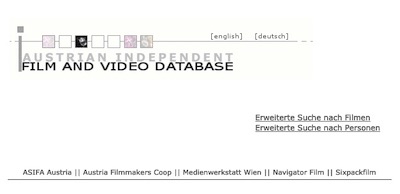 FilmVideo.at ist die Austrian Independent Film and Video Database und bietet Zugriff auf österreicher Filme, abseits des Mainstreams. Die Faszination des Films hängt auch in Österreich damit zusammen, dass es sich um eine sehr junge und zeitgemäße Kunst handelt, deren Anfänge gut dokumentiert ist. Schon ein gutes Stück über einhundert Jahre gibt es jetzt die Kunst des Films, die sich auch in ganz unterschiedlichen Ländern entwickelt hat. So auch in Österreich.
Generell kennen die meisten Menschen bestimmte Filme, die auch von Anfang an für eine Mehrheit produziert worden sind. Dann aber gibt es auch die Filme der Kategorien Dokumentation, Avantgarde und Animation, die vielleicht nur einem kleinen Publikum bekannt sind. Die Seite filmvideo.at ist eine österreichische Independent Film und Video Datenbank, die solchen Filmen der österreichischen Filmhistorie Rechnung trägt. Mehr dazu im Artikel.
Die Austrian Independent Film and Video Database
Im Laufe eines ganzen Jahrhunderts sammelt sich natürlich so einiges an. In diesem Fall nicht nur Filme, die aus Österreich stammen, sondern auch die Informationen dazu. Immerhin sind Filme auch immer Gemeinschaftswerke, an denen Schauspieler, Regisseure, Produzenten und viele andere Leute beteiligt sind. Da kommt einiges über die Jahre zusammen und es fällt schwer, den Überblick zu behalten. Darum wurde auch im Jahr 1998 durch die Initiative der Austrian Filmmakers Cooperative eine Online Datenbank als Projekt ausgerufen. Daran beteiligt sind von Anfang an fünf Vereine aus der Filmindustrie.
Die Projekt Datenbank, die heute unter filmvideo.at besteht, hat sich zum Ziel gesetzt, eine große Informationsstruktur aufzubauen, in der vor allem auch Genres vertreten sind, die vielleicht nicht ganz so bekannt sind. Dazu gehören Animationsfilme, ebenso aber auch Dokumentationen, Kurzfilme und natürlich auch Werke der Avantgarde, die eben meist nur ein kleines Publikum anziehen. Die Datenbank, die heute besteht, bietet jedem eine optimale Übersicht von Werken aus vielen Jahrzehnten Filmwirtschaft in Österreich.
Strukturiert ist die Seite, die an sich recht nüchtern gehalten wird, alphabetisch, sodass man einfach den entsprechenden Buchstaben auswählt und alle Filme dazu aufgelistet werden. Alternativ kann aber auch die Suche genutzt werden, mit der nach Filmen oder Personen gesucht werden kann. Beteiligt an diesem Werk sind die Vereine ASIFA Austria, Austria FilmCoop, die Medienwerkstatt, Sixpackfilm und Navigatorfilm.
Filmhistorie von Österreich auf FilmVideo.at
 Das Kino hat seine Ursprünge im 19. Jahrhundert. Irgendwann wurde die Fotografie weiter entwickelt, sodass auch bewegte Bilder aufgenommen und wieder abgespielt werden konnten. Schon Anfang des 20. Jahrhunderts entstanden zahlreiche Filme, die heute auch noch als frühe Klassiker gelten. Natürlich waren diese ersten Filme nicht ganz mit dem zu vergleichen, was man heute kennt. Aber die Idee war dieselbe: Großartige und beeindruckende Filme erschaffen, die die Menschen begeistern.
Auch in Österreich gab es wichtige technische Impulse, die der Filmtechnik zugutegekommen sind. Allerdings erwuchs daraus keinesfalls eine florierende Filmwirtschaft. Zumindest nicht sofort. Als es in Richtung der 20er Jahre ging, konnte Österreich eine wichtigere Rolle einnehmen. Viele österreichische Filmschaffende gingen allerdings auch nach Berlin, um dort tätig zu sein. Dazu zählt auch der in Wien geborene Fritz Lang, der später auch noch in Hollywood arbeiten sollte. Im Dritten Reich wurde Österreich dann für die Propaganda des Deutschen Reichs eingespannt, konnte aber nach dem Krieg dann wieder eigenständig florieren.
FilmVideo.at – die besten Filme aus Österreich
In Österreich sind viele Filme entstanden. Manche davon auch in Co-Produktion mit Nachbarländern. Und manche davon sind auch international bekannt und zählen heute zu den besten Filmen aus Österreich.
Das finstere Tal
“Das finstere Tal” ist ein Spielfilm, der in Österreich und Deutschland produziert wurde und in den Alpen spielt. In den Hauptrollen sind Tobias Moretti und Sam Riley zu sehen. Der Film verbindet gekonnt die beiden Genres Heimatfilm und Western und wurde 2014 in Berlin uraufgeführt.
Auch beim Österreichischen Filmpreis konnte der Film ordentlich absahnen und gewann bei zehn Nominierungen immerhin acht Preise. Der Film handelt von dem Fotografen Greider, der in den Alpen überwintern möchte, aber dessen Anwesenheit auf Ablehnung stößt.
Toni Erdmann
Ebenfalls um eine Co-Produktion der Länder Österreich und Deutschland handelt es sich beim Film “Toni Erdmann”, der 2016 in die Kinos kam. Maren Ade schrieb nicht nur das Drehbuch, sondern führte auch Regie. Der Film gehört zum Genre des Dramas, hat aber auch viele lustige Momente.
Es geht um die Beziehung zwischen Ines Conradi und ihrem Vater Winfried Conradi, gespielt von Sandra Hüller und Peter Simonischiek. Der Film konnte enorm viele Preise einheimsen und auch international begeistern. Unter anderem war “Toni Erdmann” auch für einen Oscar nominiert.
Sissi
Diesen Film muss mal vielleicht gar nicht mehr großartig bewerben, denn er ist international bekannt und gilt heute als großer Klassiker. Die Rede ist von “Sissi” mit Romy Schneider in der Hauptrolle als Prinzessin Elisabeth. An ihrer Seite ist Karlheinz Böhm als Kaiser Franz Joseph zu sehen.
Der Historienfilm entstand 1955 und basiert auf dem zuvor kurz zuvor erschienenen gleichnamigen Roman. Der Film war so beliebt und erfolgreich, dass sogar noch zwei Fortsetzungen folgen sollten. Auch wenn die Filme bei der Kritik nicht unbedingt allzu beliebt waren, erfreut sich die Reihe auch heute noch großer Beliebtheit beim Publikum.
Fazit zum Fundstück FilmVideo.at
Wer sich mit österreichischer Filmgeschichte beschäftigt, hat viel zu tun. Von bekannten und erfolgreichen Filmen bis hin zu kleineren Produktionen und Avantgarde-Filmen ist alles mit dabei. Informationen zu vielen Filmen lassen sich auf FilmVideo.at, in der Austrian Independent Film and Video Database finden. Die Datenbank ist reichhaltig bestückt und alphabetisch geordnet. Hier gibt es Informationen zu den Filmen und den Personen, die daran mitgewirkt haben. Bei der Datenbank handelt es sich um ein Gemeinschaftsprojekt von fünf österreichischen Film-Vereinen.